Brake Service & Repair in Fort Worth, TX
Mobile brake repair Fort Worth drivers need happens in your driveway, not at a shop. We come to your home, workplace, or roadside spot across the Fort Worth metro, inspect the pads, rotors, and calipers, and replace what needs replacing right there. No tow needed.
Grinding or Squeaking Brakes
Grinding usually means metal on metal. The pads are gone and the rotors are taking damage. Squeaking can mean the pads are worn or there is debris in the system. Either way, do not wait. The longer you drive, the more damage you do. If you hear grinding in Fort Worth, call us and we can come to you before the rotors are destroyed.
Brake Pads Replaced at Your Home
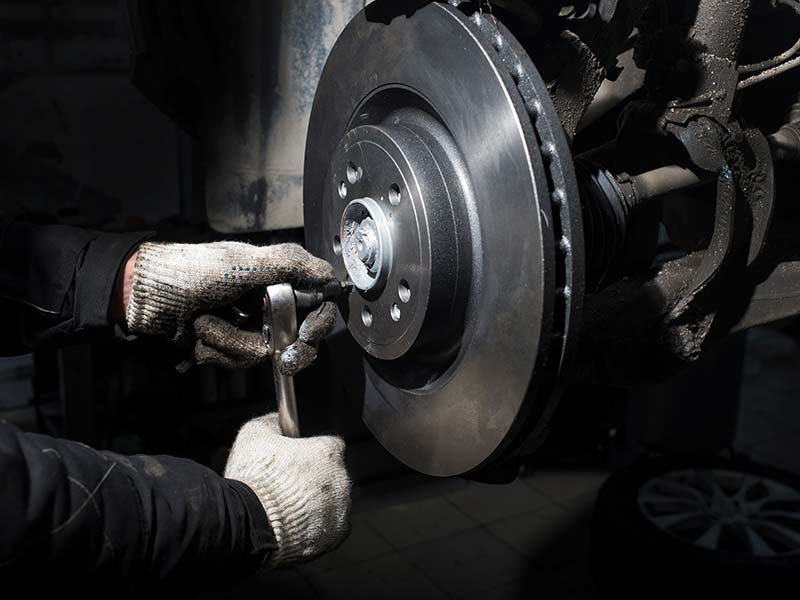
Brake pads are one of the most common mobile repairs we do. We inspect the pads, rotors, and calipers, then replace what needs replacing. If the rotors can be resurfaced, we will tell you. If they are too thin, we replace them. We do not sell parts you do not need. We bring the jack, stands, parts, and tools to your Fort Worth driveway or work parking lot.
Soft or Spongy Pedal
A soft or spongy brake pedal usually means air in the lines, a fluid leak, or a failing master cylinder. We diagnose the cause, bleed the system if needed, and replace the failing component. This is not something to ignore. If your brake pedal goes to the floor in Fort Worth, call us right away.
Why Choose Mobile Brake Repair?
Brake Service & Repair Available In
Get a Free Quote
What changes the cost of a brake job
Asking how much brakes cost only gets a useful answer once the vehicle is known. A compact sedan with small rotors is different from a three-quarter-ton pickup with heavy calipers. The number of axles involved matters, so do the parts you choose and whether the calipers, hoses, or fluid also need work. Rusted hardware and seized slide pins add labor, and in some cases a part that looked fine reveals wear once the wheel is off.
Before work starts, the scope is spelled out with you and the price is agreed. If the inspection finds more than expected, you hear about it first and decide. A pad swap that grows into pads and rotors is a conversation, not a surprise on a receipt.
Heavy stop and go traffic on the interstates around Fort Worth and Arlington wears pads faster than open highway driving does, and towing a trailer adds even more heat and load, so mention how the vehicle is used when you call.
Brake problems that get mistaken for each other
A shaking steering wheel when braking at highway speed is often warped or unevenly worn rotors, but it can also be a worn suspension part or an out of balance tire. A pull to one side can be a sticking caliper, a collapsed hose, or uneven tire pressure. A brake warning light might signal low fluid, a parking brake left partly set, or a sensor fault.
A squeal at the first stop in the morning can be harmless surface rust, while a squeal that never goes away is usually the wear indicator on the pads. When you call, note which wheel the sound seems to come from and whether it changes with speed or with turning.
Sorting out which of these causes is real takes an inspection with the wheels off, not a guess over the phone, and the findings are explained in plain words before any repair is approved.
Getting the spot ready and what a good job looks like
Brake work needs level, firm ground. A driveway, a flat apartment parking space, or a work lot is fine, and loose gravel or a steep slope is not. Clear a little room around each wheel. If you have locking wheel nuts, hand over the key before the visit.
Afterward, a good brake job feels simple. The pedal is firm and consistent, the car stops straight, and the noise is gone. New pads need a gentle stretch of driving to bed in, so expect slightly softer feel for the first stretch and avoid hard stops when you can. Pay attention to the pedal over the next few days and call if anything feels different.
If a pedal ever sinks to the floor or the car will not stop normally, do not keep driving it. Call and describe what happened.
Brake Service & Repair FAQ
Need Brake Service & Repair in Fort Worth?
Our ASE-certified mechanics come to you. No towing, no waiting at a shop. Call, text, or request a quote now.